Occupational Therapy for Children: A Comprehensive Guide
Occupational therapy plays a vital role in enhancing children's development, particularly for those facing challenges such as learning difficulties or disabilities. This guide aims to provide parents and caregivers with essential information on how occupational therapy can support their child's growth and daily functioning.
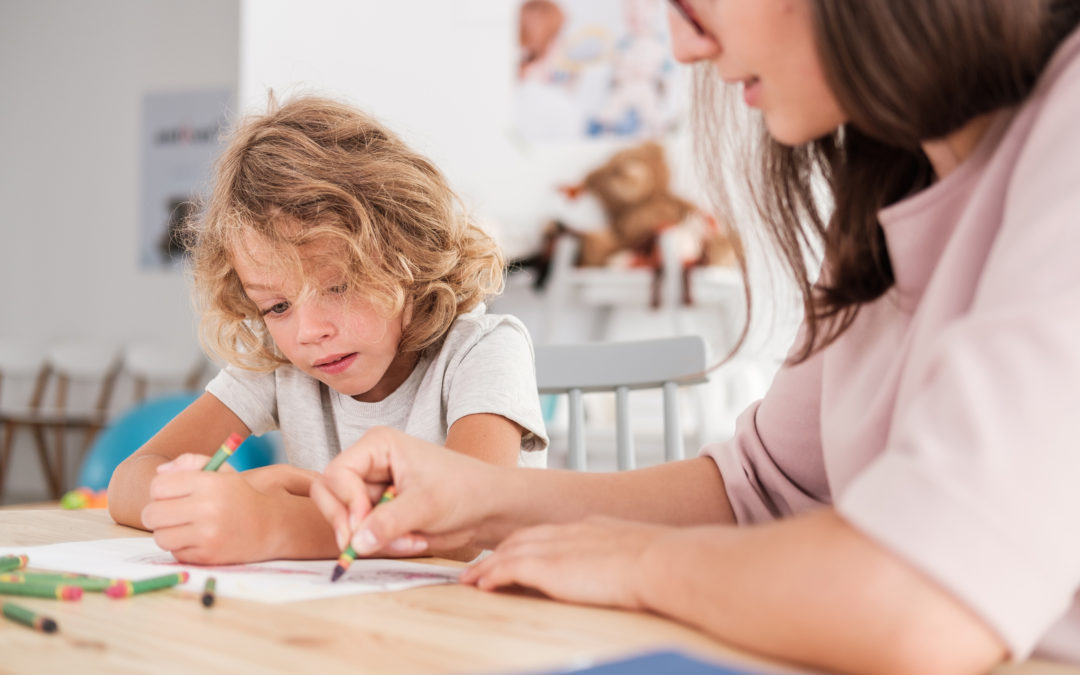
Through tailored interventions, occupational therapists help children improve their motor skills, social interactions, and emotional regulation. By focusing on individual needs, these professionals create personalized plans that promote independence and confidence in everyday tasks.
The Benefits of Occupational Therapy for Children
Occupational therapy offers numerous benefits for children, including improved cognitive abilities, enhanced social skills, and increased self-esteem. By engaging in therapeutic activities, children learn to overcome challenges and build the necessary skills to thrive in various environments.
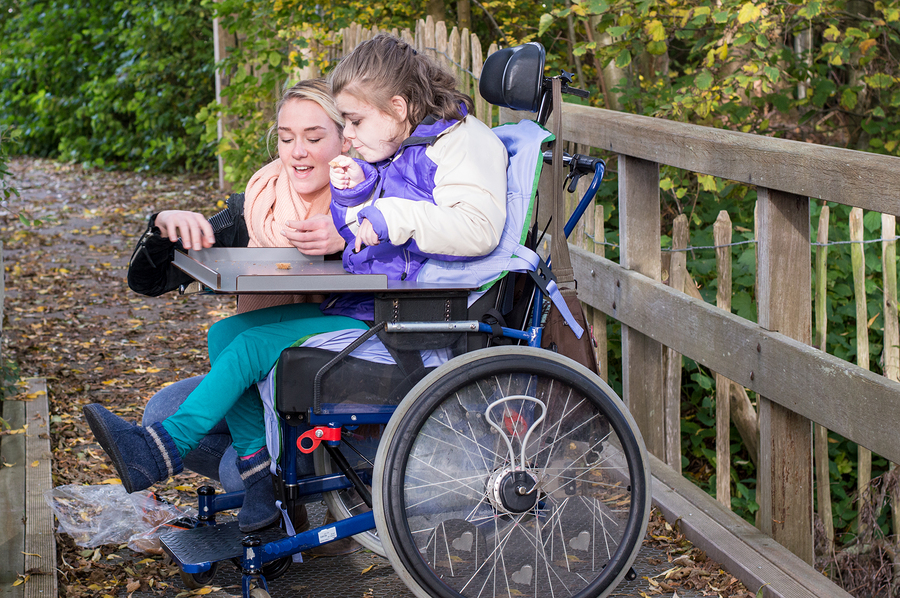
For instance, children with learning difficulties can develop strategies to manage their tasks effectively, while those with physical disabilities can enhance their mobility and coordination. These improvements not only aid in daily activities but also contribute to better academic performance and social interactions.
Understanding Learning Difficulties in Children
Learning difficulties encompass a range of challenges that affect a child's ability to process information, communicate, and perform tasks. Recognizing these difficulties early on is crucial for timely intervention and support through occupational therapy.
Common learning difficulties include dyslexia, dyspraxia, and attention deficit hyperactivity disorder (ADHD). Occupational therapists assess these conditions and implement strategies that help children develop coping mechanisms, ensuring they can navigate their educational and social environments more effectively.
How to Choose the Right Occupational Therapist for Your Child
Selecting the right occupational therapist is essential for ensuring that your child receives the most appropriate care. Factors to consider include the therapist's qualifications, experience with specific challenges, and their approach to therapy.
It's beneficial to seek recommendations from other parents or healthcare professionals and to schedule initial consultations to discuss your child's needs. A good therapist will take the time to understand your child's unique situation and create a customized therapy plan that aligns with their goals and aspirations.
Occupational Therapy for Children: A Comprehensive Guide
Occupational therapy plays a vital role in enhancing children's development, particularly for those facing challenges such as learning difficulties or disabilities. This guide aims to provide parents and caregivers with essential information on how occupational therapy can support their child's growth and daily functioning.
Through tailored interventions, occupational therapists help children improve their motor skills, social interactions, and emotional regulation. By focusing on individual needs, these professionals create personalized plans that promote independence and confidence in everyday tasks.
The Benefits of Occupational Therapy for Children
Occupational therapy offers numerous benefits for children, including improved cognitive abilities, enhanced social skills, and increased self-esteem. By engaging in therapeutic activities, children learn to overcome challenges and build the necessary skills to thrive in various environments.
For instance, children with learning difficulties can develop strategies to manage their tasks effectively, while those with physical disabilities can enhance their mobility and coordination. These improvements not only aid in daily activities but also contribute to better academic performance and social interactions.
Understanding Learning Difficulties in Children
Learning difficulties encompass a range of challenges that affect a child's ability to process information, communicate, and perform tasks. Recognizing these difficulties early on is crucial for timely intervention and support through occupational therapy.
Common learning difficulties include dyslexia, dyspraxia, and attention deficit hyperactivity disorder (ADHD). Occupational therapists assess these conditions and implement strategies that help children develop coping mechanisms, ensuring they can navigate their educational and social environments more effectively.
How to Choose the Right Occupational Therapist for Your Child
Selecting the right occupational therapist is essential for ensuring that your child receives the most appropriate care. Factors to consider include the therapist's qualifications, experience with specific challenges, and their approach to therapy.
It's beneficial to seek recommendations from other parents or healthcare professionals and to schedule initial consultations to discuss your child's needs. A good therapist will take the time to understand your child's unique situation and create a customized therapy plan that aligns with their goals and aspirations.