Online NDIS Occupational Therapy
Online therapy and support in health care has grown in popularity in the last few years. Youth Living Skills is also offering online occupational therapy (OT) to NDIS participants in addition to regular face-to-face supports. This means that you can engage with your OT without leaving your own home!
Online occupational therapy can help you!
We are an NDIS provider working primarily with young people aged from 7 to 18 years of age. Our OTs can work with young people with the same difficulties and goals as face-to-face supports, but instead of the OT coming to your home or you travelling to a clinic, you engage with your OT online. Your OT helps you to become more independent so that you can live your life how you want and fulfil your goals.

OT can help people in a variety of ways, including:
- Improving basic self-care skills such as bathing, dressing, feeding
- Developing fine and gross motor skills
- Helping people improve social and interpersonal skills
- Improving people’s attention, concentration and organisation skills
- Developing skills such as financial budgeting, shopping or using public transport
- Assisting to achieve education or employment goals
- Online assessments to determine current level of functioning and identify areas the person can be more independent
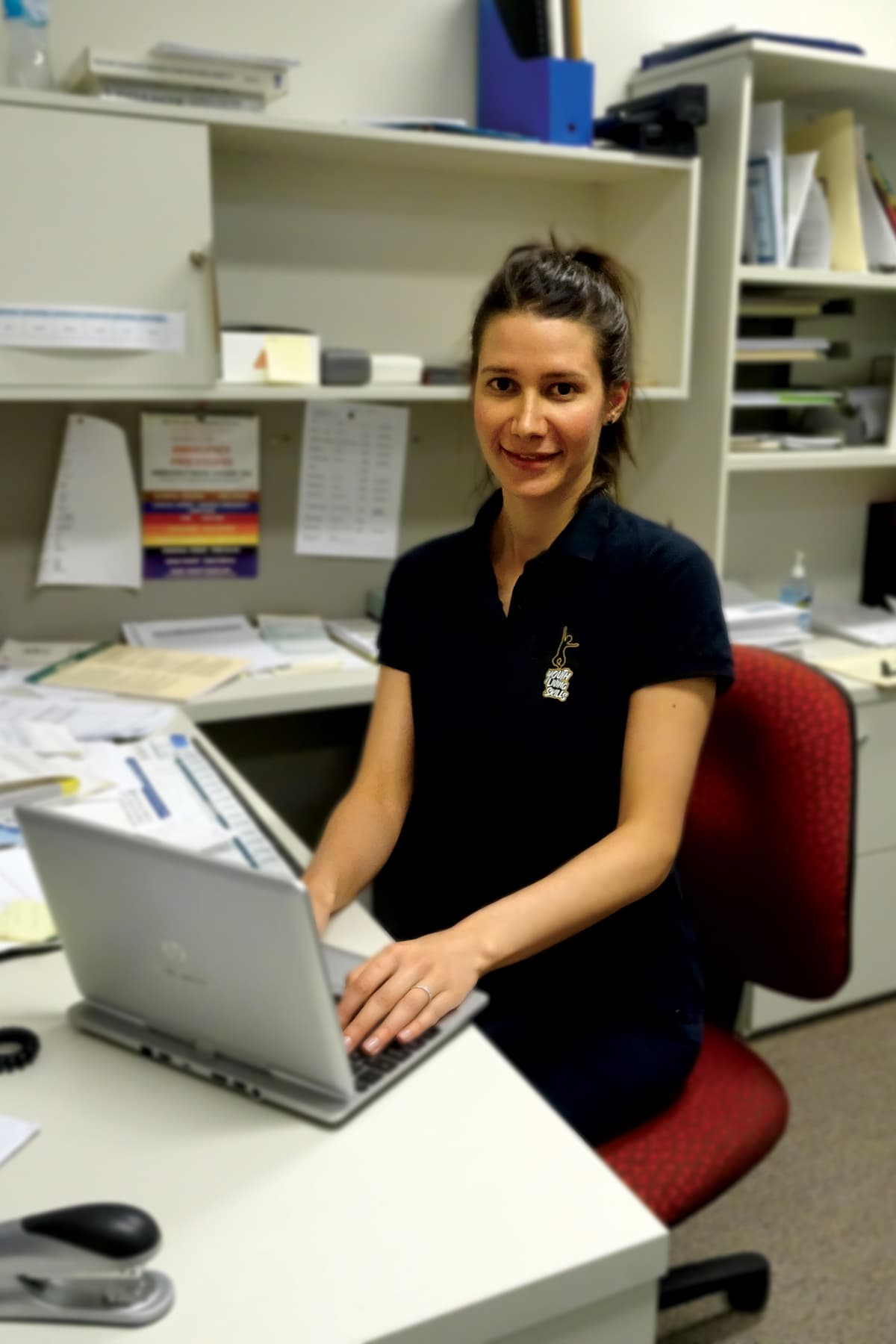
Online OT may require the individual’s carer or parent to be involved, such as with children or people with a disability.
Advantages of Online Occupational Therapy
Online OT might not be suitable for everyone or for certain situations. For example, functional assessments or home or vehicle assessments often require the OT to be physically present with the client.
However, online OT has many benefits:
- It is convenient for people as they do not have to leave their home, increasing accessibility to more people. It is also easier for people with mobility issues or physical difficulties as they would not have to travel.
- Helps people to become more computer literate
- Can do group therapy or individual therapy
- OT and client can engage in a variety of ways – audio (including via telephone), written (e.g. online chat) or video chat
- Some people are more comfortable without face-to-face contact (more anonymous)
- Usually lower costs compared to face-to-face sessions
NDIS and non-NDIS clients alike can utilise our online psychology service.
Contact us now to discuss if online OT is right for you!
Contact Information
PO Box address:
PO Box 121, Glenfield NSW 2167
Phone Number:
We will strive to respond to your enquiry within one business day.